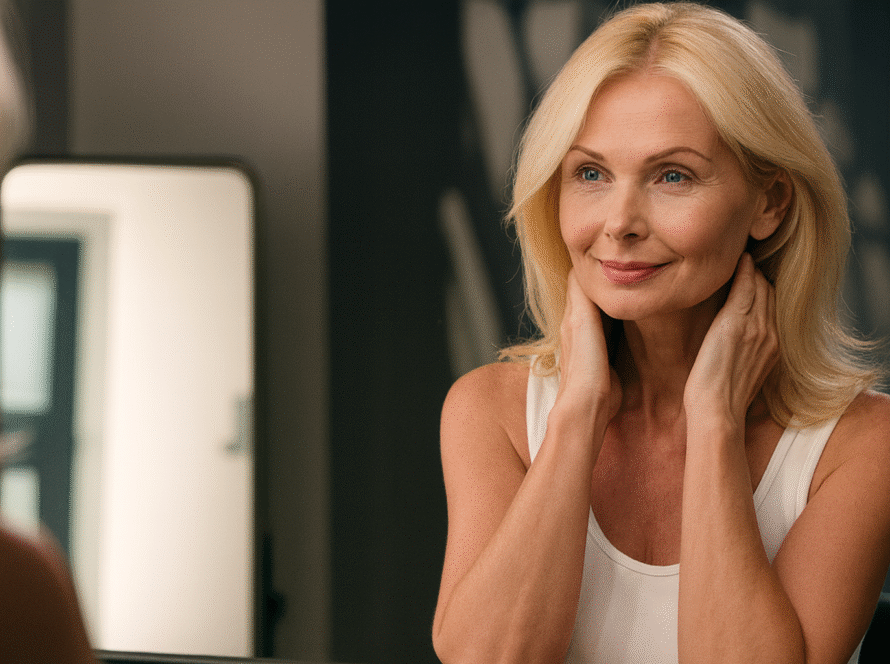
Aging is a natural process: a reflection of time, biology, and how we live. While we cannot stop it, we can shape how it unfolds. Slow aging is not about defying age, but about maintaining balance, vitality, and integrity, both in the skin and in the body.
The secret lies in synergy: the connection between daily habits and skincare that work together to preserve cellular health and lasting radiance.
The Foundation of Slow Aging
Every cell responds to how we live. Nutrition, sleep, exercise, and stress management influence how skin cells regenerate and how resilient the body remains over time. When combined with a consistent skincare routine, these choices become the foundation of slow aging — a lifestyle that nurtures long-term health and beauty.
Key Takeaways
A balanced lifestyle supports visible and lasting results.
Consistency is the most effective anti-aging strategy.
Cellular repair depends on nutrition, rest, and protection.
Daily routines influence how gracefully we age.
Understanding the Aging Process
Aging is a complex biological process shaped by genetics, environment, and personal habits. Over time, collagen and elastin fibers weaken, cellular repair slows, and oxidative stress increases. The result is thinner, less elastic skin with more visible lines and uneven tone.
Internal Factors
Genetic predisposition and hormonal changes define the body’s baseline aging rhythm. These processes are natural and gradual.
External Factors
Environmental exposure, lifestyle, and emotional well-being often accelerate the visible signs of aging. Together, these are known as extrinsic aging factors — and they are the ones we can influence.
| Factor | Effect on Skin |
|---|---|
| UV exposure | Triggers collagen breakdown and pigmentation |
| Sleep deprivation | Reduces cellular repair and barrier recovery |
| Poor diet | Increases inflammation and oxidative stress |
| Chronic stress | Elevates cortisol, leading to dullness and loss of elasticity |
The Science Behind Slow Aging Habits
Slow aging habits target the biological roots of skin health. They protect cells from damage, reduce inflammation, and support the natural repair mechanisms that decline with age.
Cellular Regeneration and Telomere Preservation
Telomeres are protective structures at the ends of chromosomes that shorten over time. Their length is influenced by stress, sleep, and nutrition. A lifestyle that includes regular movement, a balanced diet, and proper rest helps preserve telomere integrity and supports youthful cellular behavior.
Managing Oxidative Stress
Free radicals generated by UV light, pollution, and metabolism damage DNA and proteins. Antioxidants neutralize these effects and strengthen the skin’s natural defenses. Foods rich in vitamin C, E, and polyphenols — as well as topical antioxidants — play an essential role in slowing this process.
Simple Habit Shift: A cup of green tea, a handful of berries, or a vitamin C serum each morning can provide measurable protection against oxidative stress.
Reducing Chronic Inflammation
Low-grade inflammation, often called “inflammaging,” contributes to tissue breakdown and loss of elasticity. Anti-inflammatory diets, regular exercise, and stress management techniques such as meditation help the body maintain equilibrium and support smoother, firmer skin.
Nutrition as the First Layer of Skincare
The skin reflects what we consume. A nutrient-dense diet helps maintain the skin barrier, supports hydration, and reduces inflammation.
Key Nutrients for Longevity
Omega-3 Fatty Acids: Found in salmon, walnuts, and chia seeds; help reduce inflammation and maintain lipid balance.
Antioxidants: Vitamins C and E, polyphenols, and carotenoids protect against oxidative stress.
Phytonutrients: Brightly colored fruits and vegetables strengthen the skin’s natural defense system.
| Food | Primary Benefit | Mechanism |
|---|---|---|
| Green tea | Reduces inflammation | Rich in catechins and polyphenols |
| Dark chocolate (70%+) | Improves circulation | Enhances skin hydration |
| Pecans | Protects cell membranes | High in vitamin E |
Hydration also plays a defining role. Drinking enough water and eating hydrating foods like cucumber and watermelon support elasticity and microcirculation.
Movement and Rest: Regenerative Partners
Exercise for Skin Vitality
Physical movement increases blood flow, delivers oxygen, and supports detoxification. Strength training helps maintain muscle tone beneath the skin, while low-impact activities like yoga and walking support circulation and hormonal balance.
Routine Tip: Combine moderate cardio with two sessions of resistance training each week to maintain skin metabolism and firmness.
The Power of Sleep
During deep sleep, the body produces growth hormones that repair tissue and restore balance. Chronic sleep deprivation disrupts this process, accelerating visible signs of fatigue and aging.
For better sleep quality:
Keep your room cool, dark, and free from digital devices.
Develop a relaxing evening ritual, such as reading or meditation.
Use breathable fabrics and a supportive pillow to reduce skin stress.
Stress and the Mind–Skin Connection
Cortisol, the primary stress hormone, can break down collagen and increase inflammation. Prolonged stress affects barrier function, hydration levels, and overall skin vitality.
Mindfulness practices, conscious breathing, and small pauses during the day help regulate cortisol and restore inner balance.
Daily, Weekly, and Monthly Slow Aging Habits
Daily Habits
Apply a broad-spectrum SPF 30 or higher every morning.
Limit blue light exposure from screens or use filters.
Hydrate consistently throughout the day.
Weekly Habits
Gently exfoliate once or twice per week with AHAs or BHAs.
Apply a nourishing or hydrating mask to support barrier recovery.
Monthly Habits
Consider professional treatments such as microneedling or MTS procedures using advanced formulations like s4S SOLUTION™ for enhanced regeneration.
Assess your skin’s tone, texture, and hydration to fine-tune your regimen.
Creating a Skincare Routine for Longevity
A well-structured routine aligns with the skin’s circadian rhythm and amplifies the effects of slow-aging habits.
Morning Routine (Protection)
Cleanse to remove overnight buildup.
Apply an antioxidant or growth factor serum.
Hydrate with a lightweight moisturizer.
Protect with SPF 30+.
Evening Routine (Repair)
Double cleanse to remove makeup and pollutants.
Apply actives such as retinoids or peptides.
Seal with a restorative night cream.
Targeted Treatments
Fine lines: peptides, retinoids.
Uneven tone: niacinamide, licorice extract.
Dryness: hyaluronic acid, ceramides.


Advanced Ingredients and the Future of Skincare
Modern skincare science focuses on communication between cells rather than surface correction.
Retinoids: Stimulate collagen and accelerate renewal.
Peptides: Signal cells to rebuild and strengthen structure.
Antioxidants: Defend against oxidative damage.
Conditioned Media and Exosomes: Deliver natural regenerative signals that help restore the skin’s biological balance.
This approach is embodied in PLURY’s s4S SOLUTION™, made with 100% fibroblast secretome and produced in a pharmaceutical-grade GMP facility to ensure unmatched purity and efficacy.
Creating Your Personal Slow Aging Strategy
Slow aging is not about reversing time but about respecting it. The goal is to live in harmony with your biology — supporting your cells through daily choices that promote resilience and longevity.
Nourish your body. Protect your skin. Sleep deeply. Move often. Manage stress. These are the foundations of sustainable beauty.
With consistency, your skin will reflect not your years, but the care you have invested in them.
PLURY believes that longevity begins with awareness — and that science and self-care together can make time an ally rather than an adversary.